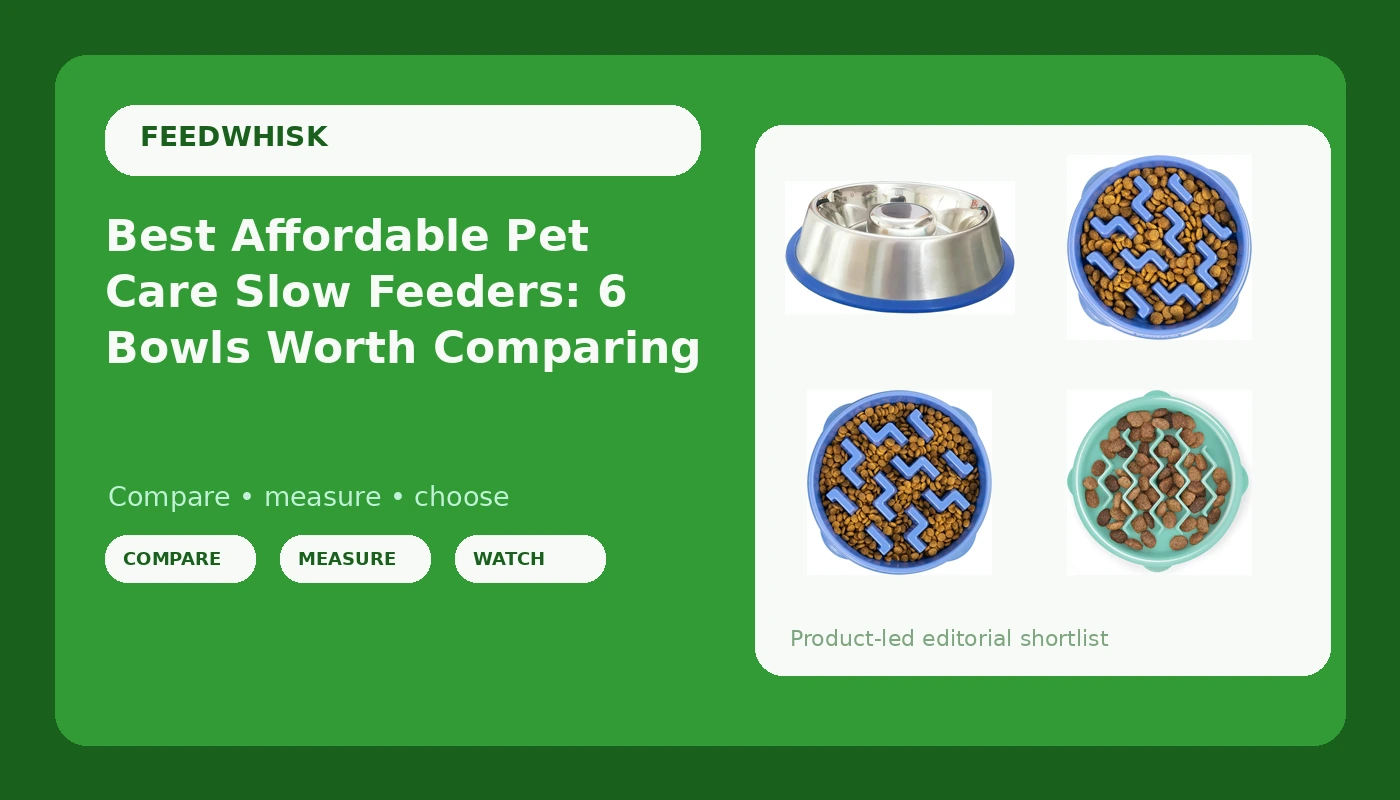
A dog that clears a bowl of kibble in forty seconds is not enjoying dinner, he is rehearsing a vet visit. Fast eating is a real problem rather than a marketing hook: it brings vomiting, gas, and a household where one dog finishes three bowls while the other is still sniffing the first. This guide to the best affordable pet care slow feeders covers six bowls that cost about as much as a bag of treats and do something a $150 automatic feeder cannot, which is physically stretch a meal out.
I am Luis. I have spent eight years pet sitting and dog walking around Pacific Beach, and my own kitchen is a permanent stress test. Tank is a 75-pound lab mix who eats like a shop vac and has learned to body-slam gravity feeders until they dump. Mochi is a tortoiseshell cat who tips water bowls for sport. Between the two of them I have learned that affordable pet care slow feeders either survive a determined animal or they end up in the trash inside a week, and the number on the box tells you almost nothing about which way it will go. What I can judge honestly here is what each bowl is built to do, which animal it is sized for, and what it asks of you at the sink.
Related: Slow feeder or automatic feeder? How to pick for a dog that inhales dinner
Quick answer
The Mr. Peanut's Stainless Steel Interactive Slow Feed Dog Bowl with a Blue Base (Large) is the strongest fit for medium and large dogs that need a bowl to survive daily use, because it pairs a stainless steel eating surface with a broad blue base and a Large size aimed at bigger muzzles. Choose the Outward Hound Fun Feeder Slo Bowl, Large 4-Cup instead when you want a lighter plastic bowl with a stated four-cup capacity for a dog sitting somewhere between medium and large.
Affordable pet care slow feeders worth comparing
Six bowls, one top pick, and a clean split between stainless steel and plastic. Every option here sits on the budget end of the market, which is exactly why the small details matter more than they would on a premium product: a cheap bowl either has a maze deep enough to slow a real dog or it does not, and no amount of cheerful packaging fixes a pattern a dog can Hoover in one pass.
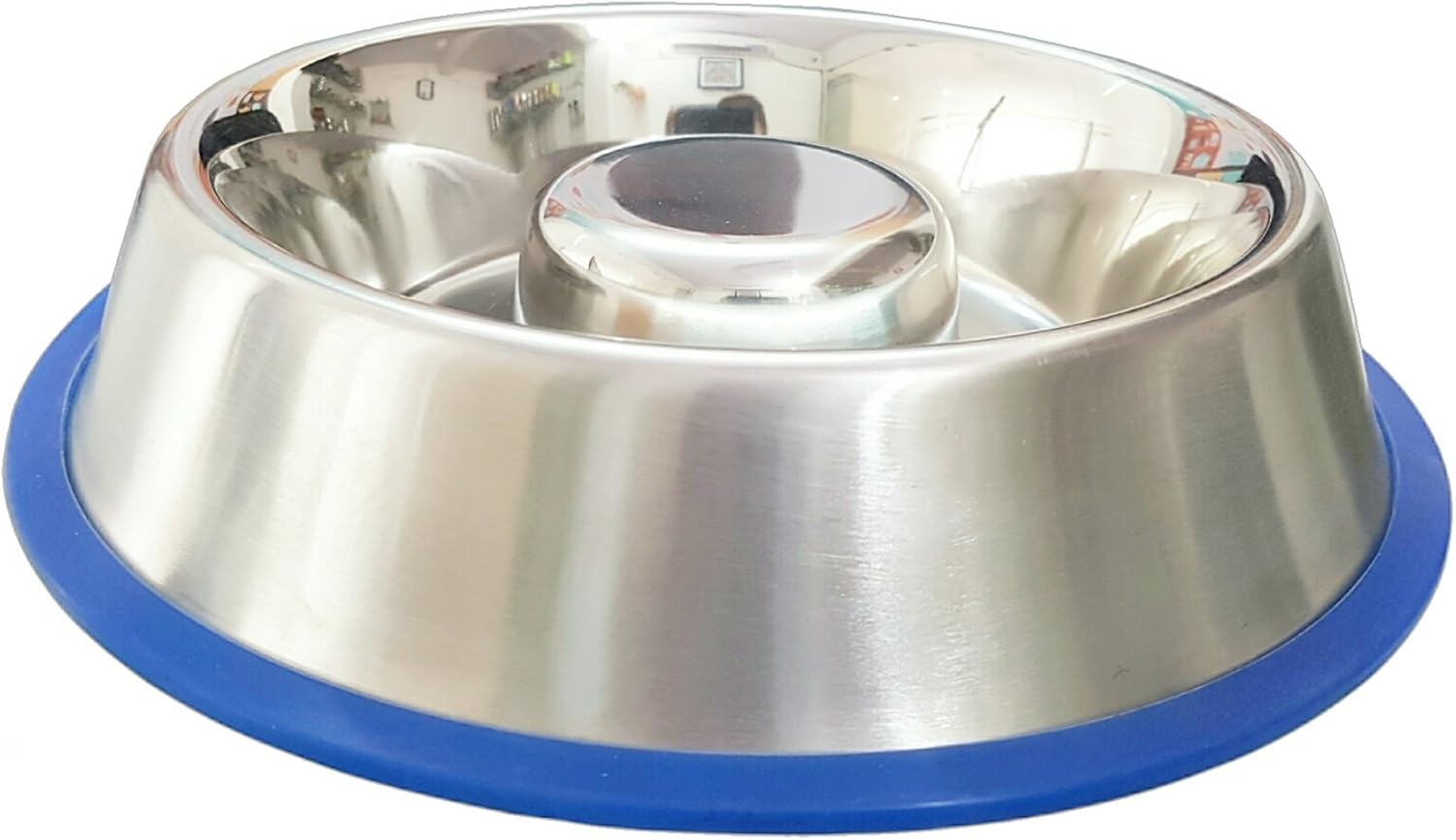
Mr. Peanut's Stainless Steel Interactive Slow Feed Dog Bowl with a Blue Base, Fun Healthy Bloat Stop Feeder (Large)
A stainless steel eating surface set into a wide blue base, built as an interactive anti-gulp bowl in a Large size for bigger dogs that empty a shallow dish in seconds.
Visit on Amazon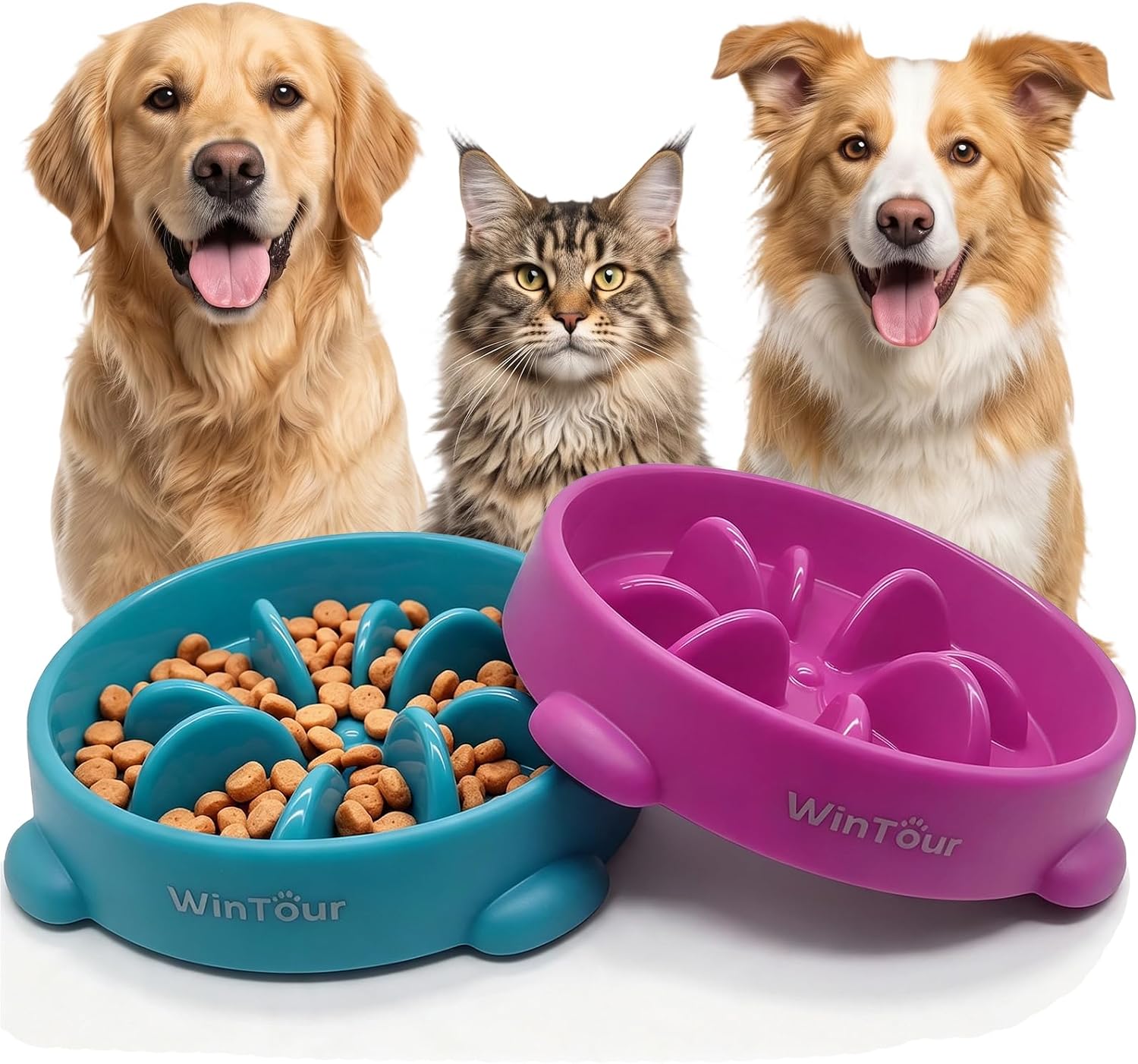
WinTour 2 Pack Slow Feeder Dog Bowls, BPA Free, Medium & Small Dog Bowls
A two-pack of BPA-free slow feeder bowls sized for medium and small dogs, useful for a two-bowl household or for keeping one clean while the other is in the sink.
Visit on Amazon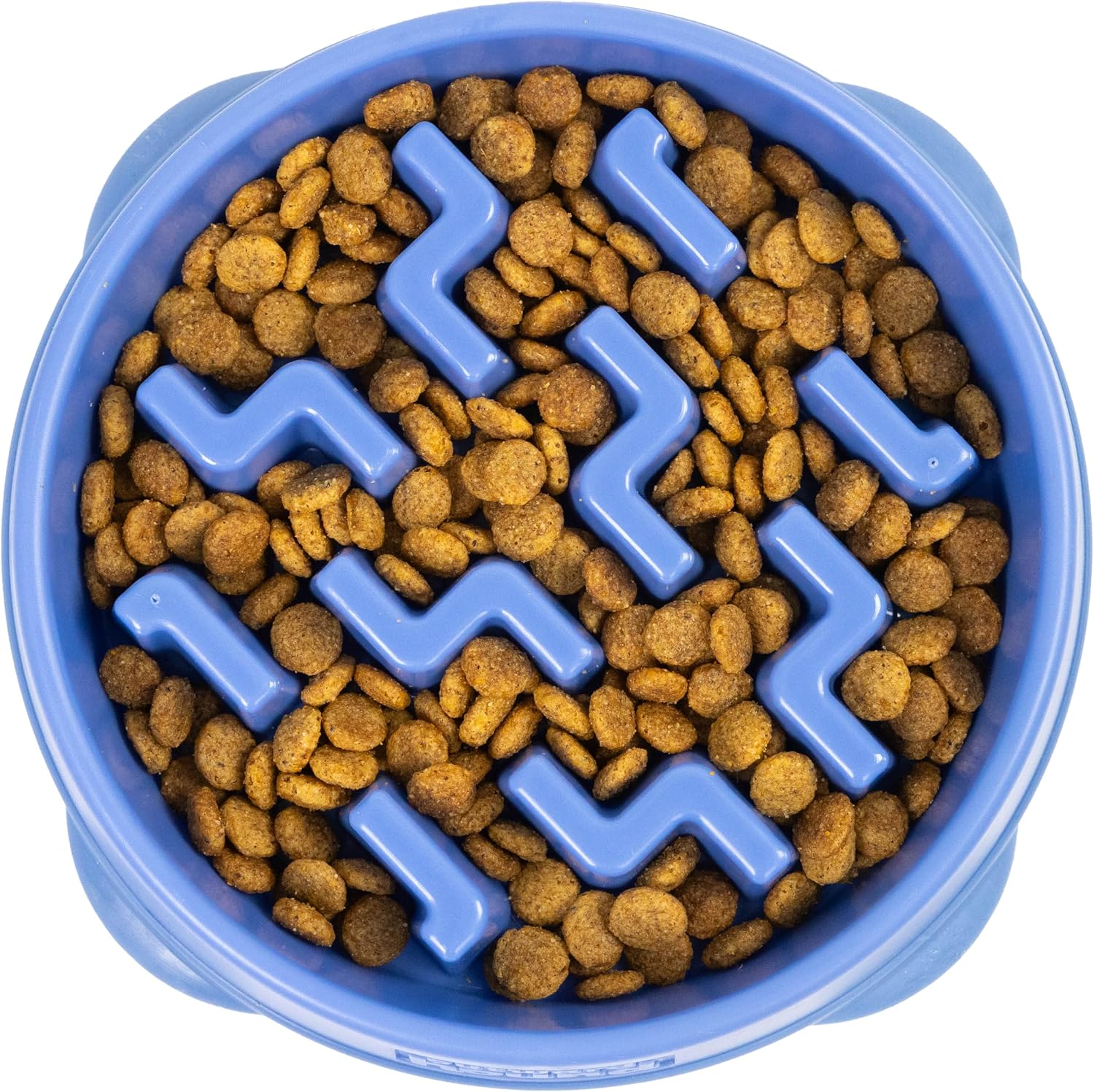
Outward Hound Fun Feeder Slo Bowl, Medium 2‑Cup Capacity, Slow Feeding, Small to Medium Dogs & Cats, Non-Slip, Blue, Notch Pattern
The two-cup notch pattern bowl, with a non-slip base and a size that covers small to medium dogs as well as cats.
Visit on Amazon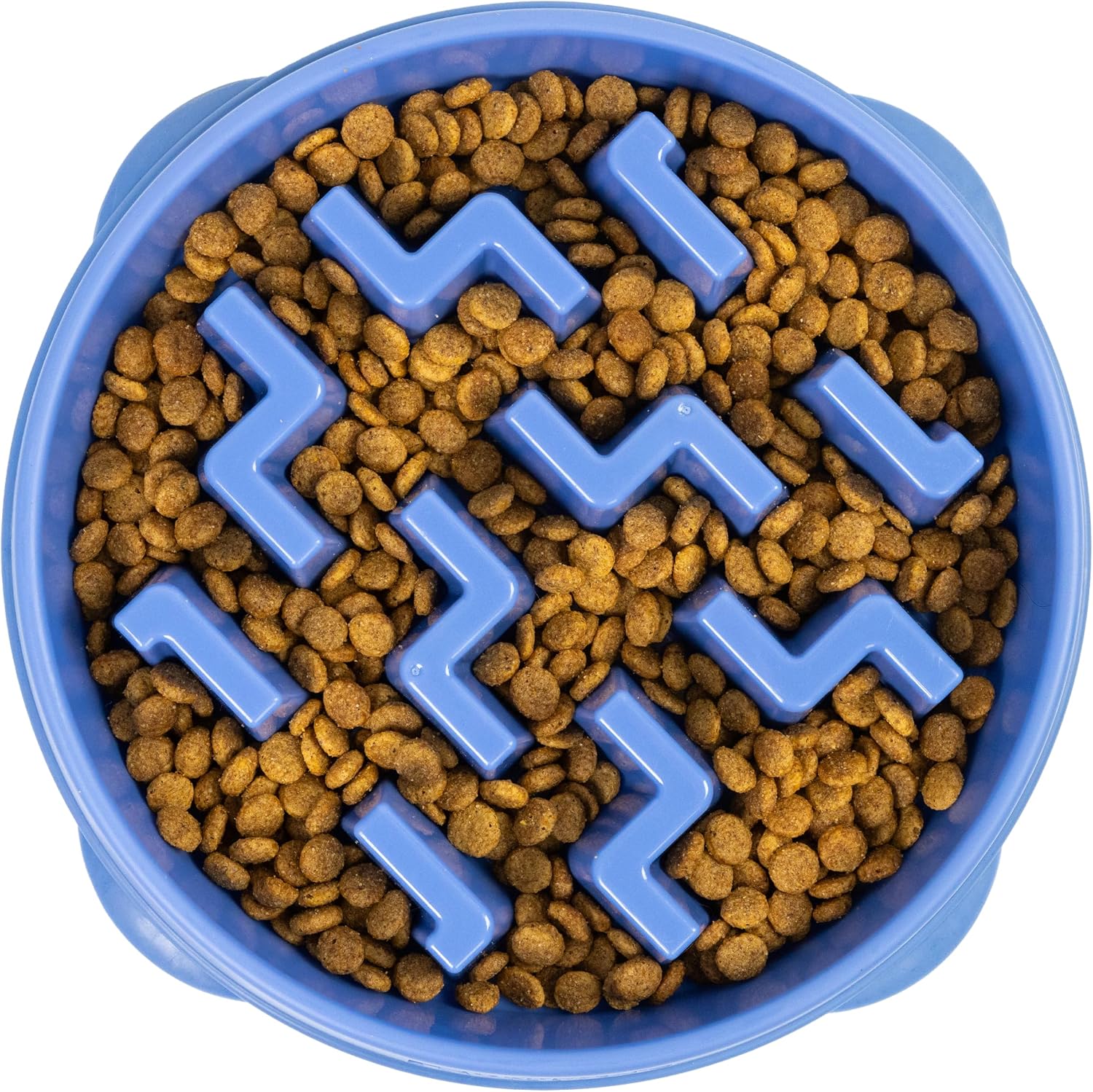
Outward Hound Fun Feeder Slo Bowl, Large 4‑Cup Capacity, Slow Feeding, Medium to Large Dogs, Non‑Slip, Blue, Notch Pattern
The same notch pattern in a four-cup size for medium to large dogs, with a non-slip base and enough room for a full meal rather than a snack.
Visit on Amazon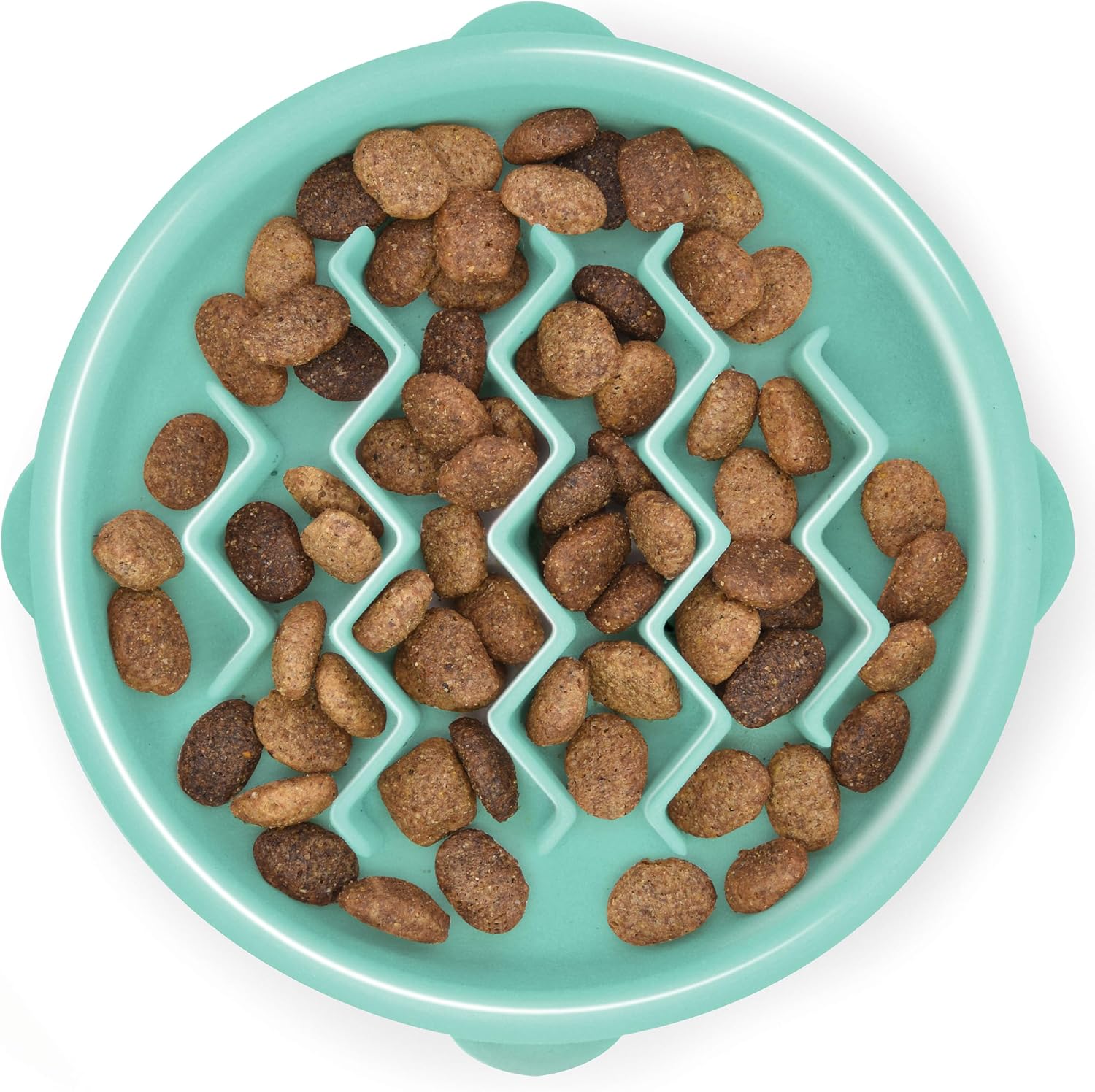
Outward Hound Fun Feeder Slo Bowl Dog Slow Feeder, Wave, Mint, 5.8"
A smaller mint bowl with a wave pattern and a 5.8-inch footprint, suited to tighter feeding spots and lighter meals.
Visit on Amazon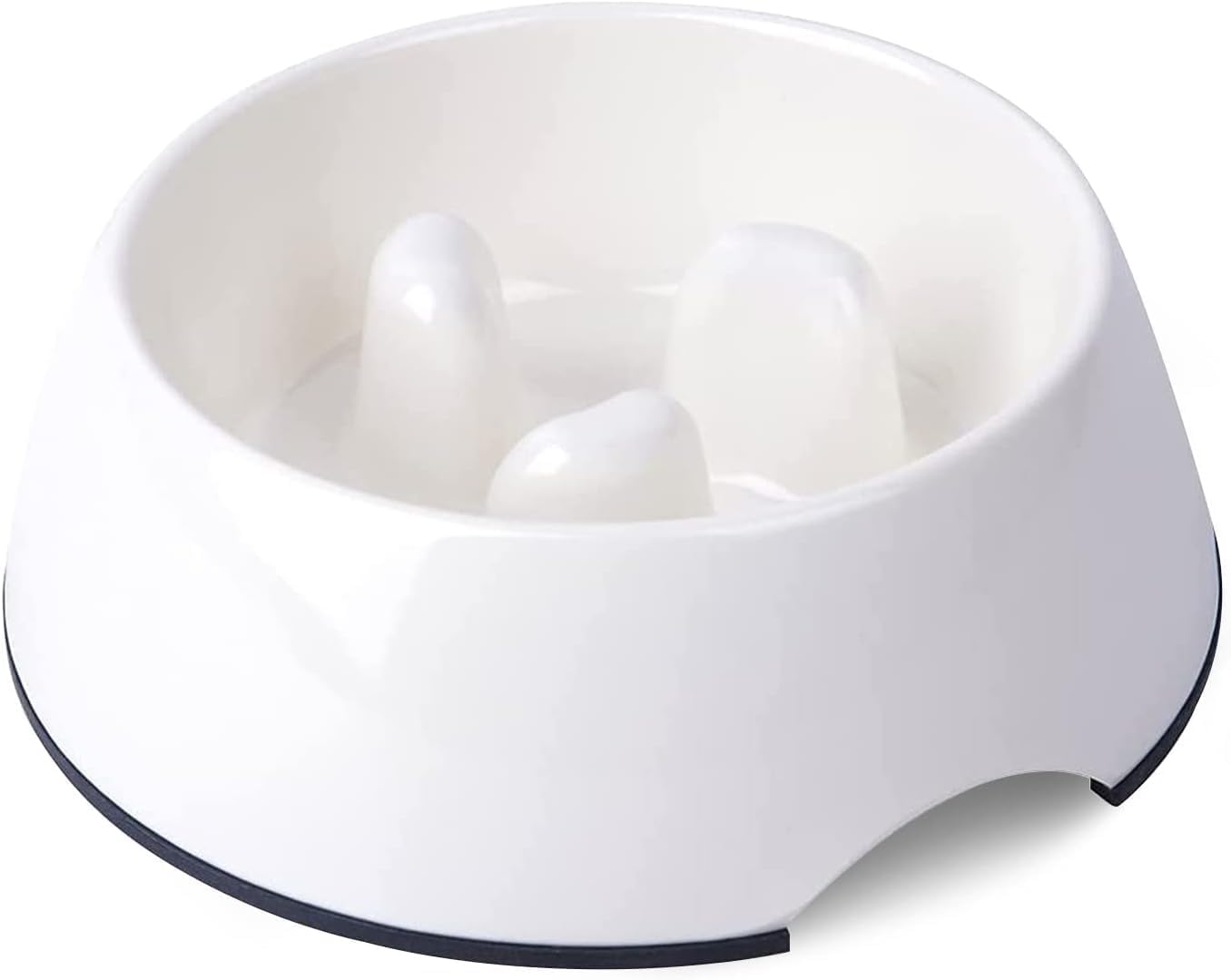
SUPERDESIGN Slow Feeder Dog Bowl Cat Bowl 1/2 Cup Slow Feeding Dog Bowl for Small Medium Breed Anti Gulping Healthy Eating Interactive Bloat Stop Fun Alternative Non Slip Puzzle Dog Food Bowl, White
A half-cup puzzle bowl in white, built for small and medium breeds and for cats, with a non-slip base and a portion small enough for weighed meals.
Visit on AmazonPrices and availability may change. Check the retailer for current details.
How these products were compared
This list of the best affordable pet care slow feeders compares five things: stated capacity, maze pattern, material and base, size fit by breed, and cleanup. Capacity comes first because a half-cup bowl and a four-cup bowl answer different questions, and buying the wrong one is the most common way people end up with a slow feeder their dog defeats. Pattern comes second. Notch, wave, and ridge designs all force a dog to work around obstacles, but the spacing matters as much as the shape, and a pattern that is too shallow for a big muzzle is decoration.
Material and base come third. Plastic is light and cheap, stainless steel is heavier and easier to wipe down, and the base decides whether the bowl stays where you put it or skates across tile while a dog pushes it into the hallway. Size fit by breed comes fourth, since a bowl can be correctly built and still be wrong for a 12-pound dog or a 75-pound one. Cleanup comes last, and it is the criterion people ignore until week three, when the maze starts collecting kibble dust in corners a sponge cannot reach.
Product names, images, and retailer links are matched by the ASIN on each card, so the link goes to the bowl shown and not to a lookalike in a different size. Nothing here is presented as a measured lab test, and the descriptions stick to what each product is built and sized to do. Prices move often, so confirm the current figure at the retailer instead of trusting any number printed in a guide.
How to choose the right slow feeder
Start with the size of one meal, not the size of the dog. A half-cup bowl like the SUPERDESIGN model suits a cat, a small breed, or any dog on a weighed diet where the portion is deliberately tiny. A two-cup bowl handles most small and medium dogs and is the size I would buy first for a household with a beagle or a spaniel. The four-cup size exists for medium to large dogs eating a genuinely big single meal, and it is the one that fits a lab mix without the kibble spilling over the ridges. Buy too big and a small dog gives up or tips the bowl; buy too small and you are refilling a maze twice per meal.
Then look at the physical fit. A deep maze with narrow channels slows a motivated eater but frustrates a flat-faced dog, and a bowl with a tall rim can be awkward for a dog with a long muzzle who has to reach the bottom of every channel. Wider, shallower patterns are the gentler introduction.
Material is the other real decision. Plastic is lighter and cheaper and comes in more patterns, and it is what most of this list is made of. Stainless steel is what I trust in a house with a chewer: it does not pick up odors, it does not scratch into the kind of soft surface that holds bacteria, and it wipes clean in seconds. If you have a cat with chin acne, plastic is the first thing to swap out, since vets routinely point at plastic bowls when feline chins break out. Either way, check the base. A non-slip ring is not a luxury when your dog pushes the bowl across the kitchen while eating.
If you are still working out whether you need a bowl or a machine, how fast is too fast when a dog eats covers the behavior side before you spend anything.
Mr. Peanut's Stainless Steel Interactive Slow Feed Dog Bowl with a Blue Base (Large)
This is the top pick because of one structural difference: the eating surface is stainless steel rather than molded plastic, set into a wide blue base that gives it weight and a low center of gravity. The Large size is built for bigger dogs, and the interactive maze is there to break a fast meal into a longer one instead of letting a dog inhale a flat dish. For a house with a heavy eater, the steel surface is the part that lasts, because it does not develop the chew marks and scratches that eventually turn a plastic maze into a mess.
The trade-off is honest: this is the most expensive bowl on the list, though it still lands in budget territory, and stainless steel is louder than plastic when a dog drags a kibble across it. The maze also has a learning curve. A dog that has never used a slow feeder may nose at it, walk away, and come back twice before committing, so the first few meals need supervision and a little patience rather than a full bowl dumped in and a closed door. And Large means large. This is not the bowl for a cat or a toy breed, even though the pattern would technically work.
Alternatives to consider
The Outward Hound Fun Feeder Slo Bowl, Medium 2‑Cup Capacity is better suited to small and medium dogs and to cats, with a notch pattern and a non-slip base, while the Outward Hound Fun Feeder Slo Bowl, Large 4‑Cup Capacity is a stronger fit when you need a stated four cups of room for a medium to large dog and want plastic rather than steel.
The Outward Hound Fun Feeder Slo Bowl, Wave, Mint, 5.8", the SUPERDESIGN Slow Feeder Dog Bowl Cat Bowl, and the WinTour 2 Pack Slow Feeder Dog Bowls cover the rest of the field. The mint wave bowl is the compact option for a tight feeding corner or a lighter meal, the SUPERDESIGN bowl is the half-cup choice for small breeds, cats, and weighed portions, and the WinTour two-pack solves the practical problem of having one bowl dirty while the other is in the sink, or of feeding two small dogs at once.
Day-to-day use and maintenance
A slow feeder only works if it stays clean enough to use. Rinse it after every meal, because kibble dust and saliva settle into the channels and dry hard, and give it a proper wash in warm soapy water at least weekly. Deep mazes take more effort than a plain dish, which is the hidden cost of slowing a meal down, so pick a pattern you will actually scrub rather than the most complicated one on the shelf. Check the bowl for cracks and chewed edges each time you wash it; a split plastic ridge is a place bacteria hide and a piece a determined dog can tear loose.
Serve the normal portion and resist topping it up. The bowl changes how fast the food goes in, not how much, and a slow feeder used as an excuse for a second scoop defeats the point. Water belongs in a separate bowl, always available, and never in the maze. Supervise the first several meals, especially with a dog who has flipped bowls before, and if your dog has a history of bloat or gulping that has already caused a vet visit, treat the bowl as one part of a plan your vet helps you build rather than a cure on its own.
Buying checklist
- Measure one meal in cups, then match it to a stated capacity rather than guessing from the product photo.
- Measure the width of your dog's muzzle and the footprint of the feeding spot, including the wall behind it.
- Confirm the exact size and pattern you are buying, since the same line is sold as Medium 2-cup, Large 4-cup, and a 5.8-inch wave bowl.
- Check the base for a non-slip ring if your dog pushes bowls across hard floors.
- Read the cleaning instructions and decide honestly whether you will scrub a deep maze weekly.
- Verify the current retailer price, availability, and return terms before ordering.
Final recommendation
Choose the Mr. Peanut's Stainless Steel Interactive Slow Feed Dog Bowl with a Blue Base (Large) when you have a medium or large dog that eats fast and you want a bowl with a steel surface and a wide, stable base that will still look decent after a year of daily use. Choose the Outward Hound Fun Feeder Slo Bowl, Large 4‑Cup Capacity when you want a lighter plastic bowl with four cups of stated room and a notch pattern, and drop to the Medium 2-cup or the half-cup SUPERDESIGN bowl if your eater is small, feline, or on weighed portions.
That is the whole decision with affordable pet care slow feeders: capacity first, pattern second, material third, and a base that keeps the bowl where you put it. Get those four right and a ten-second meal becomes a two-minute one, which is the entire job. Get them wrong and you have bought a decorative dish your dog finishes in eleven seconds instead of ten.